

Sustainable Burger Sourcing in Sydney: How Eat at ROBs Leads the Way
Last updated:
TLDR; The article explains why sustainable burger sourcing is becoming important in Sydney, especially across the Inner West, as customers care more about taste, transparency, and environmental impact. It highlights how using local beef and short supply chains improves freshness, supports local farmers, and reduces emissions, with Eat at Rob’s and Darling Street Meats shown as examples of transparent, eco-conscious practices. The piece argues that sustainable burgers don’t have to be expensive or inconvenient and can still be delivered while maintaining quality. For everyday burger lovers, the takeaway is to support venues that source locally, ask questions about where food comes from, and help shape a more sustainable future for casual dining.
Sydney loves burgers. From quick weekday lunches to slower, relaxed weekend feeds, they’re part of everyday life across the Inner West (you really do see them everywhere). They show up in cafés, pubs, and takeaway spots you walk past daily. But something has changed. People now care more about where a burger comes from and how it actually tastes. In my view, that’s where sustainable burger sourcing fits in. It’s no longer just buzzwords. You see it in small, everyday things, like customers asking about suppliers or noticing when the beef tastes fresher (no big speeches needed).
In suburbs like Balmain and Rozelle, diners often want food that feels honest: fresh beef, local suppliers, less waste, and more care (nothing flashy). That shift has pushed burger joints to rethink their ingredients. Sustainability gets talked about a lot, but fewer places really do the work, and you can taste the difference.
So this article looks at how sustainable sourcing is shaping Sydney’s burger scene and why Eat at ROB’s stands out (arguably for good reason), including ethical beef suppliers, Darling Street Meats, and how these choices connect with Inner West diners.
Why Sustainable Burger Sourcing Matters in Sydney
Sustainability in food usually goes beyond just the environment. Over time, it often comes down to trust and steady quality, which is where the real long‑term value tends to live, at least from my perspective. Across Australia, diners are paying much closer attention to how food is produced and where it starts. That change has been quick and noticeable. According to the Lightspeed Hospitality Industry Report, 51% of hospitality venues now prioritise sustainably sourced ingredients, up from 30% the year before (Source). When people truly care about what ends up on their plate, expectations shift fast, and this is a clear sign of that.
For burger lovers, this focus usually shows up in a few simple, everyday ways. Nothing flashy, just real differences you notice when you eat.
- Locally sourced beef is often fresher because it travels shorter distances and arrives sooner, which many people can genuinely taste.
- Shorter supply chains usually mean fewer transport emissions, and ethical beef suppliers often put real effort into animal welfare and responsible farming.
The Australian Foodservice Association reports that 93% of Australians want clear food origin labelling (Source). People like knowing what they’re eating and where it comes from, without having to guess. In Sydney’s Inner West, this mindset runs deep and shows up all around. Locals regularly support small operators, stick with their local butcher, and choose food with a real backstory instead of something faceless.
Sustainable sourcing also helps keep local jobs and regional farms going. Money stays closer to home instead of flowing through long, distant supply chains. So while it may start with burgers, it often leads to a stronger local food community overall.
Local Beef, Short Supply Chains, Better Sustainable Burger Sourcing
One of the biggest factors in making burgers more sustainable is where the beef comes from. Beef usually has a higher environmental impact than many other foods, so sourcing often matters more than people expect in everyday choices. Ethical beef suppliers focus on responsible land use, animal care, and efficient processing. These basics are not exciting, but that’s often where real progress starts.
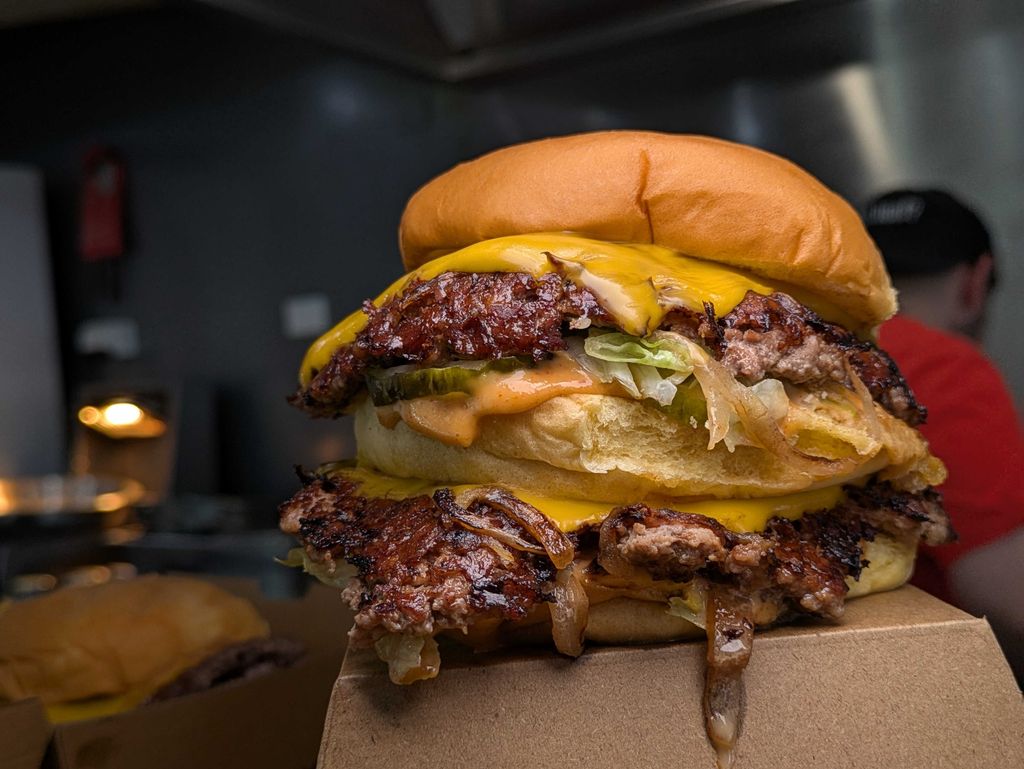
At Eat at ROB’s, the approach stays practical and down to earth, with a strong local focus and a clear commitment to freshness. Everything happens close to home, right around Darling Street in the Inner West. The restaurant runs directly out of Darling Street Meats, a long‑standing local butcher you’ve likely walked past before. Because of this setup, a lot of extra steps are removed. The beef goes straight from butcher to grill, without added transport or long storage in between. No detours, no delays.
The short supply chain brings a few clear benefits:
- Patties are made in‑house each day, which usually means less handling.
- Packaging waste stays lower, and it’s easier to trace where the beef came from if questions come up.
According to the Sustainable Restaurants Association, local sourcing helps strengthen supply chains and cut transport emissions (Source). It can also help businesses stay steady when supply issues hit. Simple and effective.
Sourcing locally does more than just reduce transport-based emissions. It also keeps money in regional economies, brings unique local character and flavour to your menus, and builds strong supply chains that can better withstand disruptions.
For customers, this often shows up as a cleaner, more consistent burger, especially if you come back more than once. You can usually taste the difference.
Moreover, ROB’s approach aligns with guides like How to Choose a Burger Place in Sydney and Best Burgers Inner West Without the Hype, showing how sustainable burger sourcing supports local taste and trust.
How Eat at ROB’s Builds an Eco-Friendly Burger Experience
An eco-friendly burger Sydney diners can trust usually isn’t just about the beef. It comes down to how things run, step by step, behind the scenes. At Eat at ROB’s, sustainability shows up in everyday choices rather than loud promises or flashy claims, which can feel empty. The approach works because it’s part of the daily routine instead of a short-term push. That steady effort is what makes it feel real.
Waste reduction and sourcing get attention from the start. With the kitchen directly connected to a butcher, meat is prepared to order instead of sitting around. This helps cut overproduction and spoilage, which matters in a fast-moving food business, especially during busy service. Food waste builds up quickly, so these choices really add up. The Australian Government’s National Food Waste Strategy sets a clear goal to cut food waste by 50% by 2030, and hospitality has a clear part in that (Source).
Food waste is one of the biggest things that needs to change. It’s not just a waste of resources, it’s a hit to the bottom line and a strain on the environment.
The menu and service are also kept intentional. A smaller menu means fewer ingredients, but more care in how they’re sourced and used, without unnecessary extras. This matches wider Sydney burger trends. Verdict Foodservice notes burgers are still Australia’s largest restaurant category, with growth linked more to quality and ethics than price (Source). Online ordering is part of daily life around Rozelle and Balmain, and Eat at ROB’s usually keeps standards steady even when things get busy, which shows during a dinner rush.
Darling Street Meats and the Power of Transparency
What people notice first is how open everything is. Darling Street Meats isn’t tucked away as a behind-the-scenes supplier for Eat at ROB’s. It sits right in the middle of daily sourcing, shaping routines and decisions in ways customers can usually see without having to ask. That kind of openness isn’t common, and many people pick up on it straight away. You can follow where the beef comes from and see who’s handling it well before anything reaches the grill. That clarity cuts down on guesswork and makes ordering feel more relaxed.
Transparency builds trust in a few clear, practical ways:
- Customers see a real butcher relationship, not a generic supplier name.
- Where the meat comes from and how it’s handled is clear, not assumed.
- Quality checks stay close to the source, with fewer steps in between.
- The process feels personal instead of hidden behind logistics, which is common elsewhere.
Large burger chains often rely on broad, complex supply systems. That distance can make visibility harder and sometimes affects freshness. Local butcher partnerships usually do the opposite, keeping things close and easy to understand.
For Inner West diners, this feels like a good fit. It matches local values around craft food, honest business, and supporting nearby operators. Shorter transport distances also mean less time in refrigeration and storage, which brings simple, everyday benefits.
Some restaurants talk a lot about sustainability but don’t show much. Eat at ROB’s takes a quieter approach. The setup explains itself. When a burger place works side by side with a butcher, the message comes through without needing a sales pitch.
The Future of Sustainable Burger Sourcing in the Inner West
Sustainable sourcing isn’t fading out. Around Balmain and Rozelle, it’s slowly becoming the standard, and it looks like it’s here to stay. Locals often expect more from their burger spots and usually pay attention to where ingredients actually come from. You hear it in those quick chats at the counter, short talks, but people remember details. That awareness keeps growing, especially when someone eats at the same place again and again.
Looking ahead, a few changes seem likely. Some are easy to notice. Others are quieter, but they still matter, sometimes more than people expect.
- Many burger kitchens are working closer with local butchers, choosing ethical beef suppliers more carefully and being clearer about how meat is sourced and prepared. Those local relationships often make a real difference.
- Menu wording is getting clearer, explaining sourcing in plain language instead of vague, feel‑good claims. Simple explanations help, and there’s less guessing involved.
There’s also growing interest in plant‑based and reduced‑meat options, even among loyal burger fans. It’s usually not about cutting out meat completely. Euromonitor reports that 24% of Australians are reducing meat consumption (Source). Most are just eating it less often and caring more about quality when they do, like choosing a burger because the sourcing is clearly explained.
What This Means for Everyday Burger Lovers
When someone orders a burger tonight, sustainable sourcing usually isn’t top of mind (they’re probably just hungry). Still, it shapes what ends up on the plate, often in every bite, even when food is picked up quickly.
The most interesting part? Finding a better burger choice doesn’t take much effort. It’s simple to remember and often shows up in small, easy-to-spot details.
- You’ll often notice that places naming their local suppliers are more open overall, and asking where the beef comes from is totally fair.
- Why do simpler menus feel more reassuring? In many cases, fewer items mean more care goes into each one.
An eco-friendly burger Sydney option can still feel comforting and full of flavour, so it rarely feels like a trade-off. You get something that tastes good and feels better after, which matters when you eat out often, no second guessing.
For Eat at ROB’s, this way of thinking is part of who they are: fresh burgers, local beef, clear sourcing, and easy ordering that helps on busy Inner West days.
Additionally, check out Why Eat at Rob’s Favourite Burger Shop Sydney for more on how local values align with sustainable burger sourcing.
You May Also Like
- Unique Flavours in Rozelle’s Burger Scene
- Rozelle’s Burger Culture: What Makes It Special?
- Top Reasons Why Smashed Burgers Have Become So Popular
Frequently Asked Questions (it’s)
What is sustainable burger sourcing?
Sustainable burger sourcing usually means using ingredients from local farms and ethical producers, often nearby, handled in ways that cut waste and lower environmental impact. It often includes ethical beef suppliers and short supply chains, so food isn’t shipped far. Simple enough.
Why is local beef better for burgers?
Because it travels less, nearby, local beef is often fresher. That makes burgers taste better and produce fewer emissions. It also supports local farmers and butchers, helping your community in ways you notice.
How does Darling Street Meats support sustainability?
By sending fresh beef straight to Eat at ROB’s, Darling Street Meats often reduces transport and storage waste. This butcher-to-grill setup keeps the supply chain simple, which can mean less waste overall.
Are eco-friendly burgers more expensive?
Not always. Many diners say it’s often worth it (I agree), even if sourcing costs more. With tighter menus and less waste, prices tend to even out, so you don’t pay extra.
Can sustainable burgers be delivered?
Usually, they can, food quality generally holds up during delivery, as you’ll see. Restaurants like Eat at ROB’s suggest online ordering and delivery usually work with sustainable practices.
Why This Approach Is Worth Supporting
What usually stands out is how Eat at ROB’s shows a burger joint can feel indulgent and convenient without losing its sense of responsibility. It’s comfort food done well, not overthought, and that balance often matters more than chasing perfection. Sustainable sourcing here isn’t about doing everything perfectly; it’s about making better choices and sticking to them, even when that’s harder.
In Sydney’s Inner West, burger lovers are lucky to have spots that care about flavour and values at the same time, and you can often taste it. The team works with Darling Street Meats and ethical beef suppliers, keeping things local, traceable, and honest, while still feeling relaxed and unfussy.
Thinking about where your smashed burger comes from, even briefly, can support local producers and reduce unnecessary transport. Most of the time, that choice shows up right on the plate.
For more insights on improving your burger experience, read Improve Burger Experience in Sydney Inner West.
Make Eat at ROBs a preferred source in Google
One click tells Google to surface our articles more often in Top Stories, AI Overviews and AI Mode.


